
Adaptive Fashion for Wheelchair Sports: What Really Works
Wheelchair sports are fast-paced, demanding, and require clothing that moves with the body, not against it. From basketball and rugby to tennis, adaptive athletes need gear that is comfortable, functional, and designed for seated movement.
At BAdaptive (formerly Bealies Adaptive Wear), we create adaptive clothing that supports independence, performance, and confidence on and off the court. Here’s what really works when it comes to wheelchair sportswear.
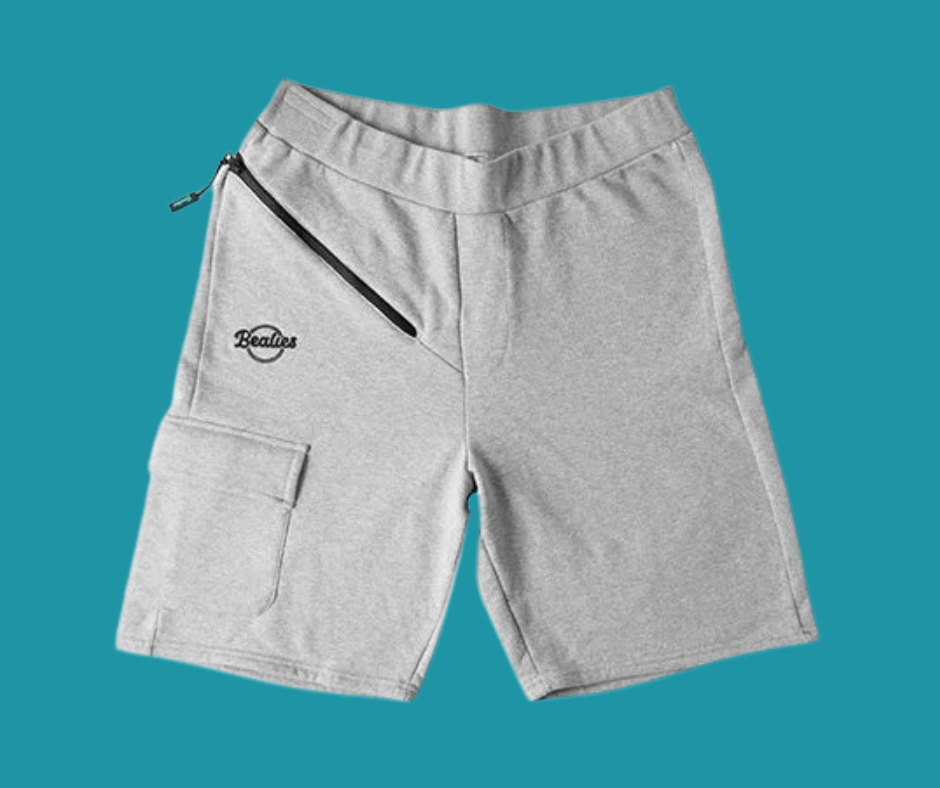
Why Standard Sportswear Often Fails Wheelchair Athletes
Fashion for disabled people isn’t just about aesthetics, it’s about solving everyday challenges. Standard clothing often ignores practical needs, leading to:
Waistbands that dig while seated
Zips and buttons that are hard to manage with limited dexterity
Seams and fabrics that create pressure points or friction
Adaptive fashion starts with function. Designers should ask: How does this garment work for someone who is seated, uses a wheelchair, or has limited hand mobility?
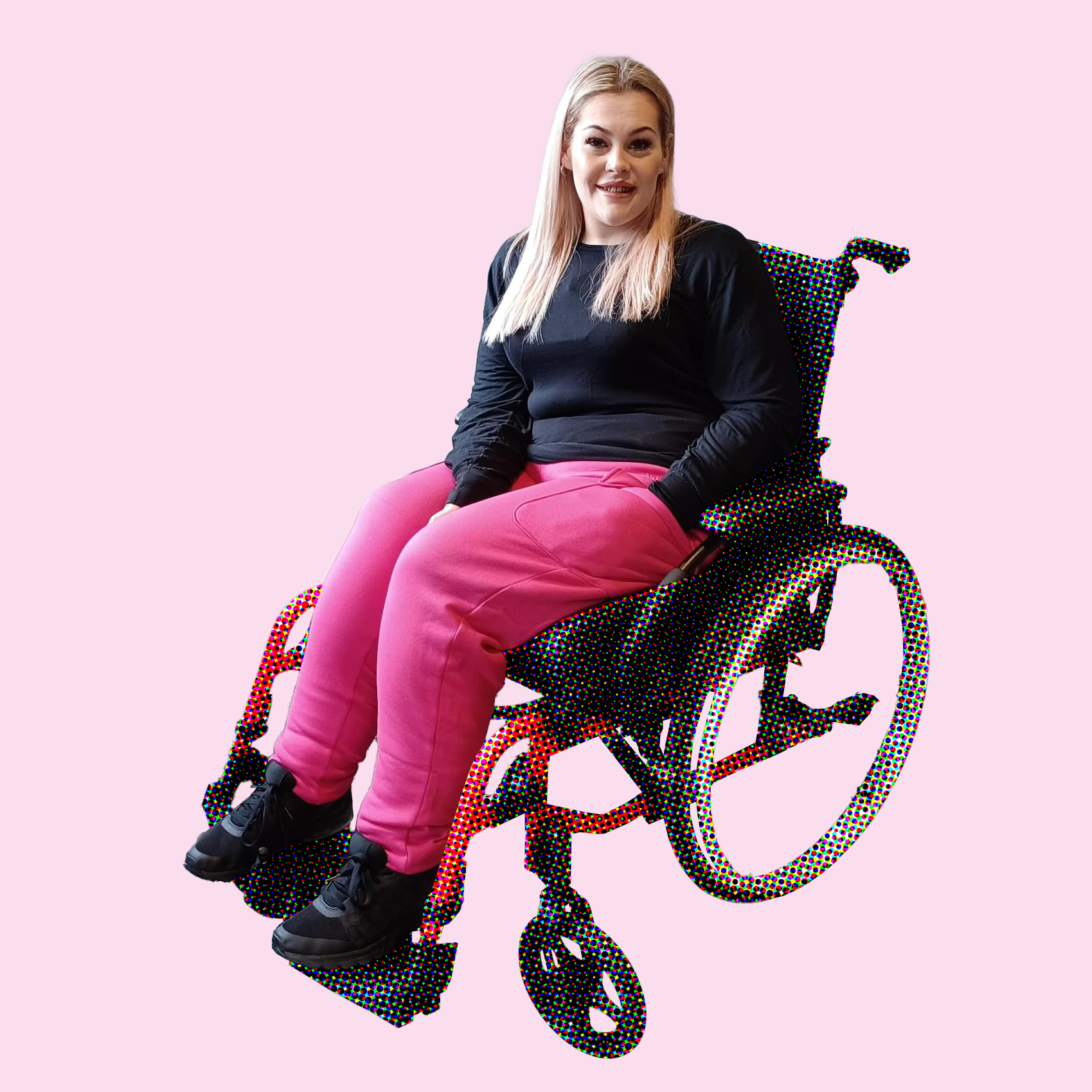
Seated-Fit Shorts and Joggers: Freedom of Movement
The foundation of any adaptive sports wardrobe is seated-fit shorts and joggers. These are designed to:
Sit comfortably while in a wheelchair
Avoid fabric bunching or pulling during activity
Provide higher back coverage for seated comfort
Whether you’re shooting hoops on the basketball court, practicing tennis, or training for wheelchair rugby, seated-fit clothing keeps you moving without restriction.
Adaptive Hoodies and Tops: Layer for Comfort and Performance
Upper-body mobility is critical for wheelchair sports, and adaptive hoodies or tops should allow full range of motion while staying secure in the seat. Features that make a difference include:
Stretchy, breathable fabric
Seated-fit tailoring to prevent bunching in the lap
Lightweight layering for warm-ups and cool-downs
Adaptive hoodies can be worn on the court, during training, or off the court for casual comfort.

Why Front Openings Matter
For many wheelchair athletes, quick dressing and undressing is essential — especially for those managing catheterisation or limited hand dexterity. Adaptive features like front openings allow:
Faster dressing and undressing
Reduced strain on the arms and shoulders
Greater independence and confidence
These features ensure athletes can focus on performance, not clothing frustrations.
The Role of Adaptive Clothing in Confidence and Independence
Adaptive sportswear isn’t just about performance, it’s about dignity and empowerment. Clothing that fits well and supports movement boosts confidence both on and off the court. Athletes can focus on their game, their training, and their goals, not adjusting clothing every few minutes.
Adaptive fashion for wheelchair sports is a win-win: functional, stylish, and designed to make life easier for disabled athletes
Why This Matters
Adaptive fashion is more than a market — it’s a movement for inclusion, dignity, and independence. Non-disabled designers can play a huge role by:
Prioritising function and comfort
Designing for seated bodies
Listening to real users
Creating clothing that supports autonomy
When done right, adaptive fashion isn’t just for disabled people, it benefits everyone by demonstrating thoughtful, inclusive design.
Shop Adaptive Sportswear for Wheelchair Athletes
Whether you’re playing basketball, rugby, tennis, or just staying active, BAdaptive has adaptive shorts, joggers, hoodies, and more, all designed with wheelchair users in mind.
