Adaptive Fashion for Wheelchair Sports: What Really Works
Wheelchair sports are fast-paced, demanding, and require clothing that moves with the body, not against it. From basketball and rugby to tennis, adaptive athletes need gear that is comfortable, functional, and designed for seated movement.
At BAdaptive (formerly Bealies Adaptive Wear), we create adaptive clothing that supports independence, performance, and confidence on and off the court. Here’s what really works when it comes to wheelchair sportswear.
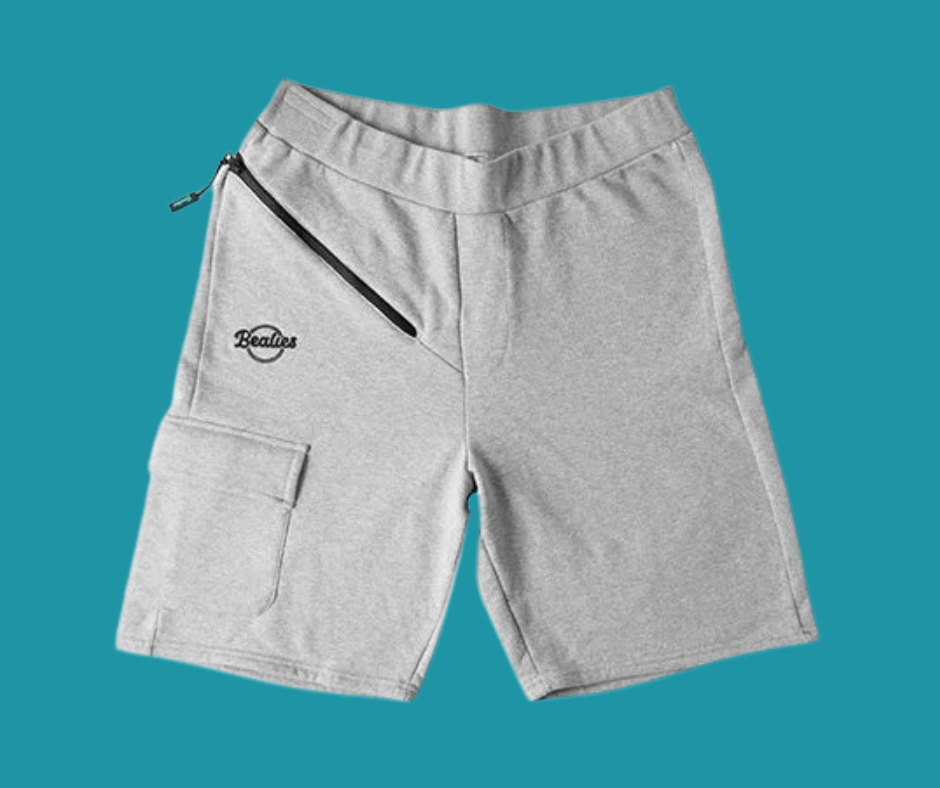
Why Standard Sportswear Often Fails Wheelchair Athletes
Fashion for disabled people isn’t just about aesthetics, it’s about solving everyday challenges. Standard clothing often ignores practical needs, leading to:
Waistbands that dig while seated
Zips and buttons that are hard to manage with limited dexterity
Seams and fabrics that create pressure points or friction
Adaptive fashion starts with function. Designers should ask: How does this garment work for someone who is seated, uses a wheelchair, or has limited hand mobility?
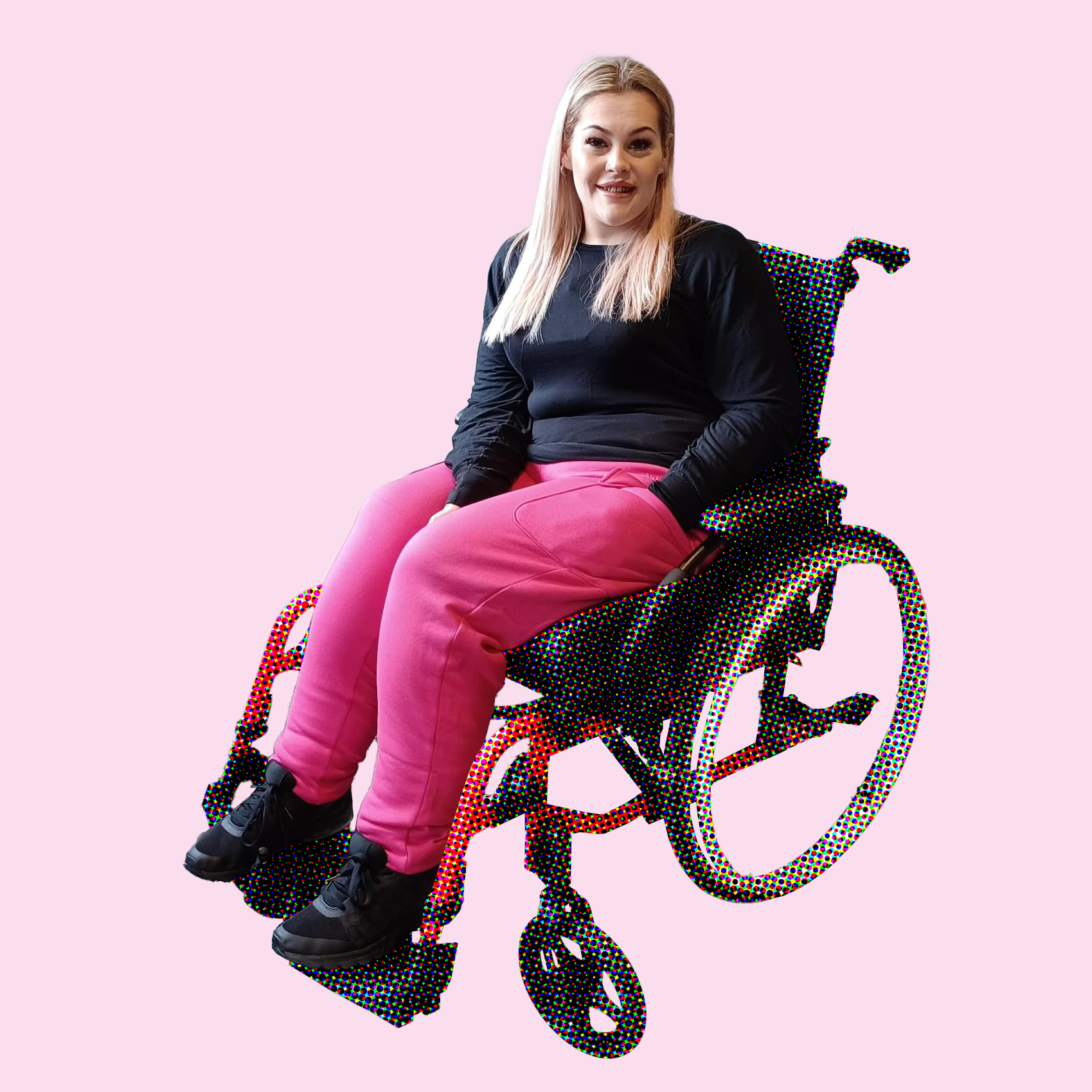
Seated-Fit Shorts and Joggers: Freedom of Movement
The foundation of any adaptive sports wardrobe is seated-fit shorts and joggers. These are designed to:
Sit comfortably while in a wheelchair
Avoid fabric bunching or pulling during activity
Provide higher back coverage for seated comfort
Whether you’re shooting hoops on the basketball court, practicing tennis, or training for wheelchair rugby, seated-fit clothing keeps you moving without restriction.
Adaptive Hoodies and Tops: Layer for Comfort and Performance
Upper-body mobility is critical for wheelchair sports, and adaptive hoodies or tops should allow full range of motion while staying secure in the seat. Features that make a difference include:
Stretchy, breathable fabric
Seated-fit tailoring to prevent bunching in the lap
Lightweight layering for warm-ups and cool-downs
Adaptive hoodies can be worn on the court, during training, or off the court for casual comfort.

Why Front Openings Matter
For many wheelchair athletes, quick dressing and undressing is essential — especially for those managing catheterisation or limited hand dexterity. Adaptive features like front openings allow:
Faster dressing and undressing
Reduced strain on the arms and shoulders
Greater independence and confidence
These features ensure athletes can focus on performance, not clothing frustrations.
The Role of Adaptive Clothing in Confidence and Independence
Adaptive sportswear isn’t just about performance, it’s about dignity and empowerment. Clothing that fits well and supports movement boosts confidence both on and off the court. Athletes can focus on their game, their training, and their goals, not adjusting clothing every few minutes.
Adaptive fashion for wheelchair sports is a win-win: functional, stylish, and designed to make life easier for disabled athletes
Why This Matters
Adaptive fashion is more than a market — it’s a movement for inclusion, dignity, and independence. Non-disabled designers can play a huge role by:
Prioritising function and comfort
Designing for seated bodies
Listening to real users
Creating clothing that supports autonomy
When done right, adaptive fashion isn’t just for disabled people, it benefits everyone by demonstrating thoughtful, inclusive design.
Shop Adaptive Sportswear for Wheelchair Athletes
Whether you’re playing basketball, rugby, tennis, or just staying active, BAdaptive has adaptive shorts, joggers, hoodies, and more, all designed with wheelchair users in mind.
What We Wish Non-Disabled Designers Knew About Adaptive Fashion
Adaptive fashion is more than a niche, it’s a movement toward inclusive design, independence, and dignity. Yet many mainstream designers still overlook the realities of living with a disability when creating clothing.
At BAdaptive (formerly Bealies Adaptive Wear), we work closely with disabled people to design clothes that are functional, stylish, and life-changing. Here’s what we wish non-disabled designers truly understood about adaptive fashion

1. Function Comes First
Fashion for disabled people isn’t just about aesthetics, it’s about solving everyday challenges. Standard clothing often ignores practical needs, leading to:
Waistbands that dig while seated
Zips and buttons that are hard to manage with limited dexterity
Seams and fabrics that create pressure points or friction
Adaptive fashion starts with function. Designers should ask: How does this garment work for someone who is seated, uses a wheelchair, or has limited hand mobility?
2. One Size Doesn’t Fit All
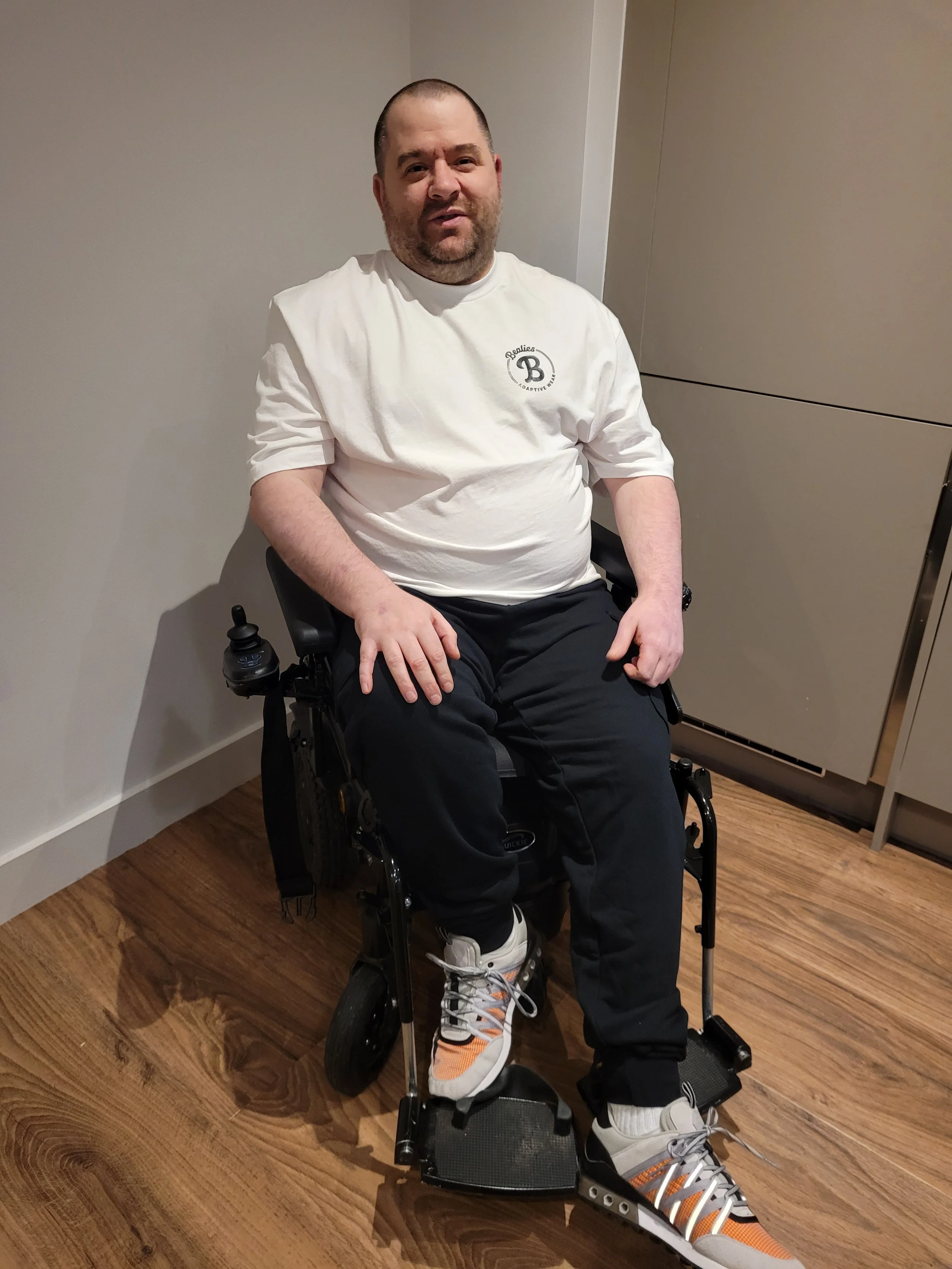
Standard patterns assume all bodies follow the same proportions — standing posture, standard hip-to-waist ratios, and uniform mobility. Disabled bodies, especially wheelchair users, have different needs:
Higher back rise for seated coverage
Front openings for easier dressing
Stretch and shaping in the right areas to prevent bunching
Inclusive clothing starts with designing for real bodies, not forcing disabled people into standard patterns.
3. Independence Matters
Many adaptive clothing features exist to give the wearer control over their own body. Designers often overlook this, but independence is central:
Magnetic fastenings replace tricky buttons and zips
Front openings allow easier access for personal care
Thoughtful sizing prevents reliance on others
When adaptive design prioritises independence, clothing becomes empowering rather than frustrating.

4. Comfort Is Key
Disabled people often spend long periods seated, lying down, or moving in assistive devices. Fabric choice, seam placement, and fit can make a huge difference:
Breathable, soft fabrics reduce irritation
Well-placed seams prevent pressure points
Adaptive underwear and basics provide comfort from the inside out
Comfort should never be sacrificed for style — inclusive design balances both.
5. Listen Before You Design
Nothing replaces real feedback from disabled people. Adaptive fashion should be co-created with the community, not assumed. Asking questions, testing prototypes, and listening to lived experience leads to clothing that works in real life.
At BAdaptive, we test every garment with real users, from everyday wear to active wheelchair sports. This ensures functionality, comfort, and confidence in every piece.
Why This Matters
Adaptive fashion is more than a market — it’s a movement for inclusion, dignity, and independence. Non-disabled designers can play a huge role by:
Prioritising function and comfort
Designing for seated bodies
Listening to real users
Creating clothing that supports autonomy
When done right, adaptive fashion isn’t just for disabled people, it benefits everyone by demonstrating thoughtful, inclusive design.
Shop Thoughtful Adaptive Clothing from BAdaptive
Looking for clothes that combine style, function, and real-world usability? Explore our adaptive joggers, shorts, underwear, and more — all designed with lived experience in mind.

The Quiet Moments That Matter Most
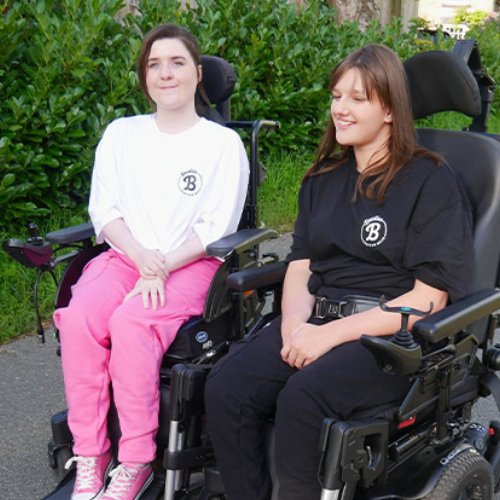
There’s a moment most people don’t think twice about.
It happens early in the day — before emails, before school runs, before the world starts asking things of us.
Getting dressed.
For many, it’s automatic. A routine so familiar it barely registers. But for millions of disabled people, getting dressed can be one of the most emotionally loaded moments of the day.
Not because of fashion.
Not because of trends.
But because of independence, comfort, and dignity.
More Than Just Clothes
Clothing sits right at the intersection of practicality and identity.
What we wear affects how we feel about ourselves, how confident we are, how visible we feel, how prepared we are to face the day. When clothing doesn’t work with your body, that daily ritual can become exhausting.
Buttons that won’t cooperate.
Zips that require painful movement.
Seams that irritate sensitive skin.
Trousers that look fine sitting down… until you need to transfer.
These aren’t “minor inconveniences.” They’re repeated barriers, small on their own, but heavy when carried every single day.
Independence Isn’t Loud, It’s Quiet
We often talk about independence in big, dramatic ways.
But real independence is quiet.
It’s fastening your own top.
It’s not needing to ask for help.
It’s feeling comfortable enough to leave the house without second-guessing yourself.
It’s choosing what you wear because you like it, not because it’s the only thing that works.
Those moments don’t make headlines, but they shape how someone feels about their body, their autonomy, and their place in the world.
The Emotional Weight of Everyday Design
When clothing isn’t designed with disabled bodies in mind, the message can feel personal, even when it isn’t intended that way.
It can say:
You weren’t considered.
You’re an afterthought.
You’ll have to adapt, again.
Inclusive design quietly flips that message.
It says:
You belong.
Your comfort matters.
You deserve ease.
And that shift, from being accommodated to being considered, is powerful.
Dressing for Real Life
Disabled people don’t live “special” lives.
They work.
They parent.
They go out for coffee.
They attend appointments, celebrations, quiet days at home, and everything in between.
Adaptive clothing isn’t about standing out.
It’s about blending in on your own terms, without pain, frustration, or compromise.
It’s about clothes that support life as it is, not life as it’s imagined in a design studio.
Why These Stories Matter
Talking about clothing purely as a product misses the point.
What really matters are the stories behind the seams:
• The relief of not struggling
• The confidence of feeling put together
• The dignity of choice
When we centre these experiences, we shift the conversation away from disability as limitation, and toward disability as a lived reality that deserves thoughtful design.
And that benefits everyone.
Because when we design with empathy, we don’t just create better clothes, we create a more inclusive world.
What Makes Clothing Truly Adaptive? A Guide to Adaptive Clothing for Wheelchair Users
Adaptive clothing is more than modified fashion, it’s clothing designed to support independence, comfort and dignity. For wheelchair users and people with limited mobility, standard clothing often fails to meet everyday needs. Truly adaptive clothing solves real-world problems through thoughtful, inclusive design.
In this guide, we explain what makes clothing truly adaptive and why features like seated fit, higher back rise, front openings and adaptive underwear matter in daily life.
What Is Adaptive Clothing?
Adaptive clothing is designed specifically for disabled people, wheelchair users and those with limited mobility or dexterity. Unlike mainstream fashion, adaptive wear prioritises functionality without sacrificing style.
Key goals of adaptive clothing include:
Easier dressing and undressing
Improved comfort when seated
Greater independence
Reduced reliance on carers
Seated Fit: Essential Clothing Design for Wheelchair Users
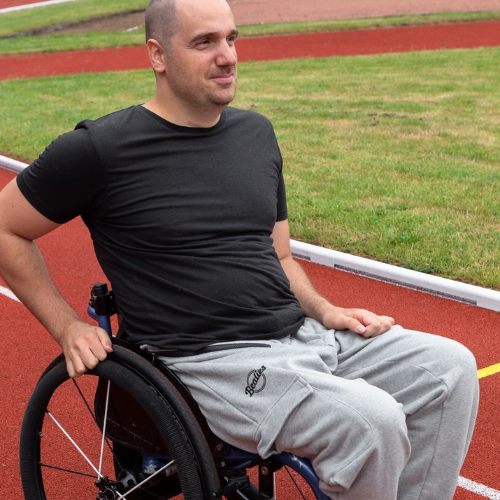
Most clothing is designed for standing bodies — but wheelchair users spend much of their day seated. This can cause discomfort, pressure points and poor fit.
Seated-fit clothing is shaped to:
Sit comfortably at the waist and hips
Prevent fabric pulling or bunching
Reduce pressure while seated for long periods
Seated fit is one of the most important features in adaptive clothing for wheelchair users.
Higher Back Rise: Comfort and Dignity in Adaptive Wear
A higher back rise is a crucial adaptive clothing feature that provides better coverage while seated. Low-rise waistbands in standard clothing often lead to slipping, exposure and discomfort.
Benefits of a higher back rise include:
Improved coverage and confidence
Reduced need for constant readjustment
Better comfort in wheelchairs
Front Openings: Adaptive Clothing for Independence
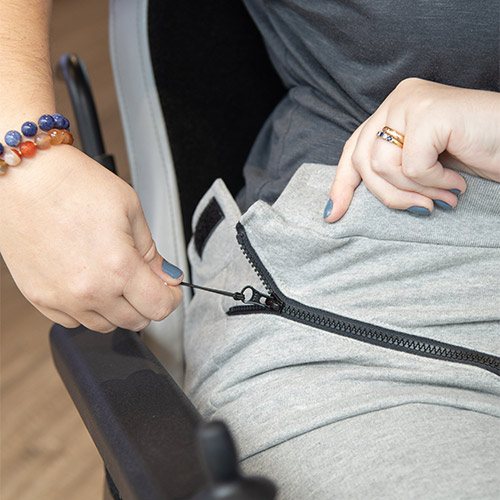
ront openings are a vital feature in adaptive clothing, particularly for wheelchair users who self-catheterise or require easier access for personal care.
Front-opening adaptive clothing allows:
Easier access for medical or personal needs
Less physical strain during dressing
Increased independence
Discreet design ensures these features blend seamlessly into everyday clothing.
Magnetic Fastenings: Adaptive Clothing for Limited Dexterity
For people with reduced hand strength or dexterity, traditional buttons and zips can be a barrier to independence. Magnetic fastenings make dressing easier and less tiring.
Magnetic closures:
Require minimal hand strength
Support independent dressing
Reduce frustration and fatigue
This is adaptive clothing that puts control back in the wearer’s hands.
Adaptive Underwear: Why It’s a Core Part of Adaptive Fashion
Adaptive clothing doesn’t stop at outerwear. Adaptive underwear for wheelchair users plays a vital role in comfort and dignity.
Adaptive boxers are designed to:
Sit comfortably while seated
Reduce pressure and friction
Make dressing and undressing easier
Truly Adaptive Clothing Is Designed With Disabled People
The best adaptive clothing is created with lived experience at its core. Listening to disabled people ensures designs meet real needs, not assumptions.
At BAdaptive, every garment is designed with wheelchair users in mind, combining function, comfort and style to support everyday life.
Shop Adaptive Clothing for Wheelchair Users
Explore adaptive joggers, shorts and underwear designed for comfort, independence and confidence.
A Tribute to Emile: From Frustration to Fashion — How BAdaptive Was Born
It all begins with an idea.
Some brands begin with a business plan.
BAdaptive began with a person.
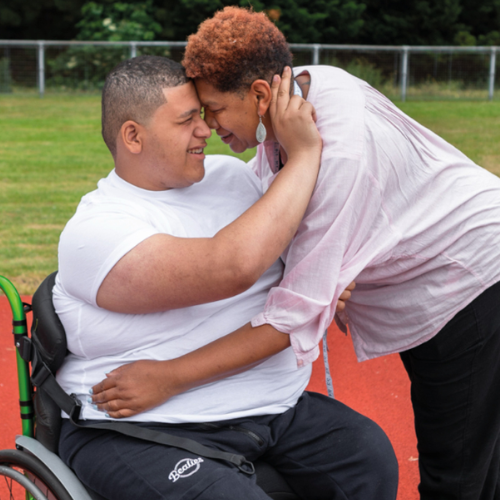
This is a tribute to Emile, lovingly known as Bealie whose life, challenges, determination and spirit inspired a brand that continues to change how adaptive clothing is designed, worn and experienced.
The Frustration That Sparked a Movement
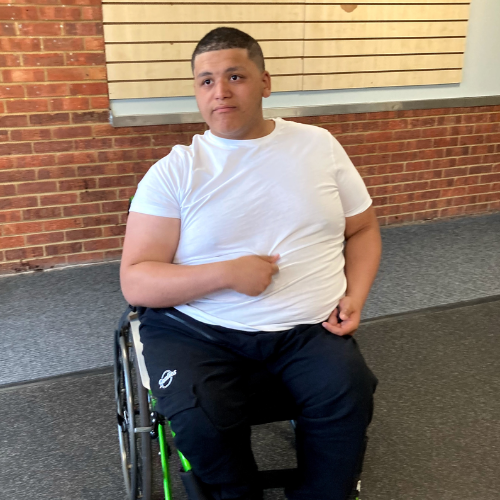
Like many wheelchair users, Emile faced a daily frustration most people never have to think about: clothes that simply weren’t designed for his life.
Joggers that dug in when seated. Tops that rode up. Fastenings that were difficult or impossible to manage independently. Clothing that prioritised function or style but never both.
What should have been simple became exhausting. Dressing was uncomfortable. Clothing felt restrictive, impractical and often stripped of personality. Emile wanted what everyone deserves: to feel comfortable, confident and himself.
That frustration became the starting point.
Like many wheelchair users, Emile faced a daily frustration most people never have to think about: clothes that simply weren’t designed for his life.
Joggers that dug in when seated. Tops that rode up. Fastenings that were difficult or impossible to manage independently. Clothing that prioritised function or style but never both.
What should have been simple became exhausting. Dressing was uncomfortable. Clothing felt restrictive, impractical and often stripped of personality. Emile wanted what everyone deserves: to feel comfortable, confident and himself.
That frustration became the starting point.
Designing With Purpose — Not Pity
BAdaptive was never about creating “special” clothing. It was about creating better clothing.
Inspired directly by Emile’s lived experience, every design decision began with one question:
“Will this actually make life easier without sacrificing style?”
Instead of adapting existing fashion as an afterthought, BAdaptive was built from the ground up with real needs at the centre.
The result? Thoughtful design features that genuinely matter:
Wheelchair-friendly joggers with a higher back rise for comfort and coverage when seated
Easy-access zips that allow for independence and dignity
Soft, comfortable fabrics chosen for all-day wear
Modern, stylish silhouettes that feel current — not clinical
Every stitch was influenced by lived reality, not assumptions.
From One Person’s Needs to a Community’s Voice
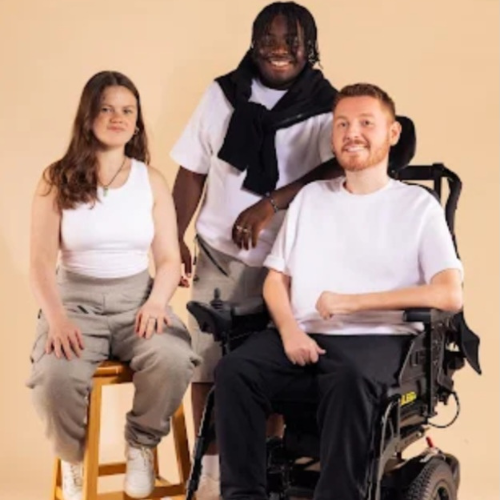
What started as clothing designed for Emile quickly became something bigger.
BAdaptive resonated with a wider community of wheelchair users, people with disabilities, carers and families who all recognised the same unmet need.
The message was clear:
People didn’t want to choose between comfort and confidence. They wanted clothes that worked with their bodies and lifestyles. They wanted to feel seen.
BAdaptive became a brand shaped not only by Emile, but by the voices and experiences of the community he represented.
A Lasting Legacy
Emile passed away earlier this year, but his influence is woven into every garment BAdaptive creates.
His legacy lives on in:
Clothing that supports independence
Designs that respect dignity
Fashion that celebrates individuality
A brand that listens first and designs second
BAdaptive stands as a reminder that the most powerful ideas often come from personal experience — and that real change begins when we design with empathy, intention and heart.
More Than Clothing
BAdaptive is not just adaptive wear.
It is a tribute. A purpose. A promise.
A promise to continue designing clothing that works for real lives. A promise to honour Emile’s vision. A promise that fashion can and should be inclusive, practical and stylish for everyone.
This is BAdaptive.
Designed with purpose. Inspired by Emile.
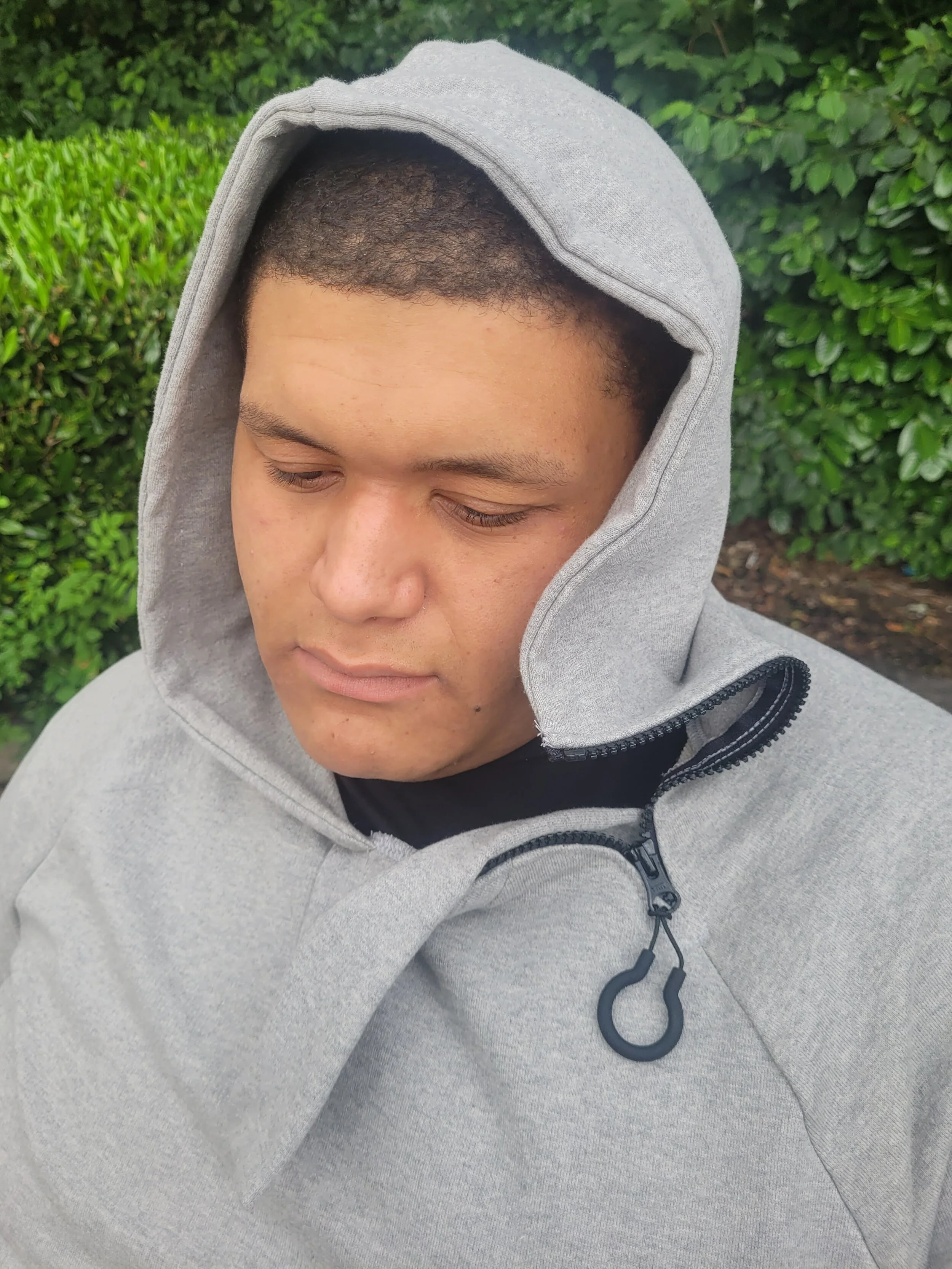
This is BAdaptive.
Designed with purpose. Inspired by Emile.