
What Makes Clothing Truly Adaptive? A Guide to Adaptive Clothing for Wheelchair Users
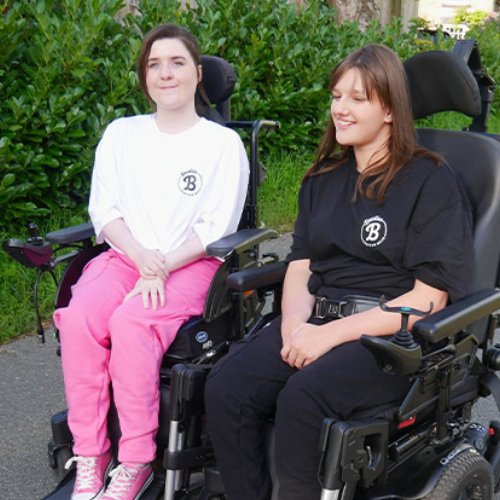
Adaptive clothing is more than modified fashion, it’s clothing designed to support independence, comfort and dignity. For wheelchair users and people with limited mobility, standard clothing often fails to meet everyday needs. Truly adaptive clothing solves real-world problems through thoughtful, inclusive design.
In this guide, we explain what makes clothing truly adaptive and why features like seated fit, higher back rise, front openings and adaptive underwear matter in daily life.
What Is Adaptive Clothing?
Adaptive clothing is designed specifically for disabled people, wheelchair users and those with limited mobility or dexterity. Unlike mainstream fashion, adaptive wear prioritises functionality without sacrificing style.
Key goals of adaptive clothing include:
Easier dressing and undressing
Improved comfort when seated
Greater independence
Reduced reliance on carers
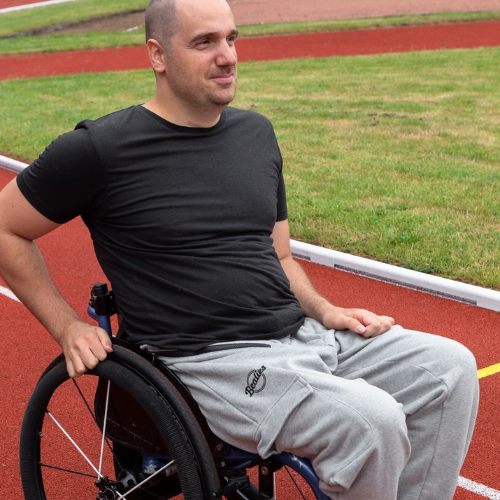
Seated Fit: Essential Clothing Design for Wheelchair Users
Most clothing is designed for standing bodies — but wheelchair users spend much of their day seated. This can cause discomfort, pressure points and poor fit.
Seated-fit clothing is shaped to:
Sit comfortably at the waist and hips
Prevent fabric pulling or bunching
Reduce pressure while seated for long periods
Seated fit is one of the most important features in adaptive clothing for wheelchair users.
Higher Back Rise: Comfort and Dignity in Adaptive Wear
A higher back rise is a crucial adaptive clothing feature that provides better coverage while seated. Low-rise waistbands in standard clothing often lead to slipping, exposure and discomfort.
Benefits of a higher back rise include:
Improved coverage and confidence
Reduced need for constant readjustment
Better comfort in wheelchairs
Front Openings: Adaptive Clothing for Independence
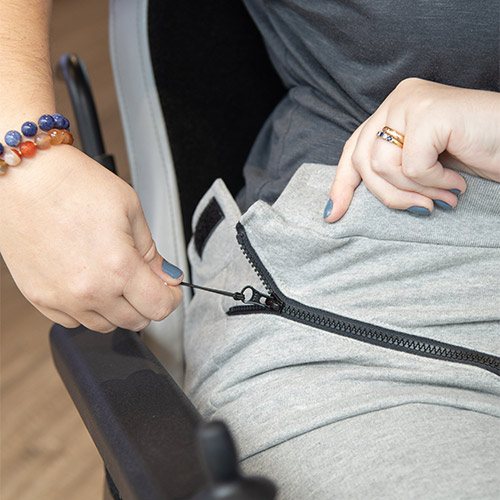
ront openings are a vital feature in adaptive clothing, particularly for wheelchair users who self-catheterise or require easier access for personal care.
Front-opening adaptive clothing allows:
Easier access for medical or personal needs
Less physical strain during dressing
Increased independence
Discreet design ensures these features blend seamlessly into everyday clothing.
Magnetic Fastenings: Adaptive Clothing for Limited Dexterity
For people with reduced hand strength or dexterity, traditional buttons and zips can be a barrier to independence. Magnetic fastenings make dressing easier and less tiring.
Magnetic closures:
Require minimal hand strength
Support independent dressing
Reduce frustration and fatigue
This is adaptive clothing that puts control back in the wearer’s hands.
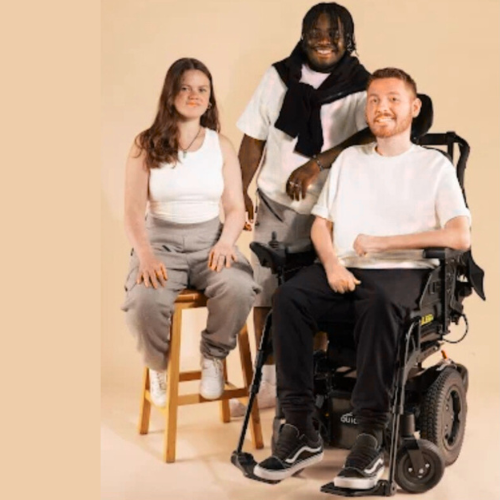
Adaptive Underwear: Why It’s a Core Part of Adaptive Fashion
Adaptive clothing doesn’t stop at outerwear. Adaptive underwear for wheelchair users plays a vital role in comfort and dignity.
Adaptive boxers are designed to:
Sit comfortably while seated
Reduce pressure and friction
Make dressing and undressing easier
Truly Adaptive Clothing Is Designed With Disabled People
The best adaptive clothing is created with lived experience at its core. Listening to disabled people ensures designs meet real needs, not assumptions.
At BAdaptive, every garment is designed with wheelchair users in mind, combining function, comfort and style to support everyday life.
Shop Adaptive Clothing for Wheelchair Users
Explore adaptive joggers, shorts and underwear designed for comfort, independence and confidence.
