
What We Wish Non-Disabled Designers Knew About Adaptive Fashion
Adaptive fashion is more than a niche, it’s a movement toward inclusive design, independence, and dignity. Yet many mainstream designers still overlook the realities of living with a disability when creating clothing.
At BAdaptive (formerly Bealies Adaptive Wear), we work closely with disabled people to design clothes that are functional, stylish, and life-changing. Here’s what we wish non-disabled designers truly understood about adaptive fashion

1. Function Comes First
Fashion for disabled people isn’t just about aesthetics, it’s about solving everyday challenges. Standard clothing often ignores practical needs, leading to:
Waistbands that dig while seated
Zips and buttons that are hard to manage with limited dexterity
Seams and fabrics that create pressure points or friction
Adaptive fashion starts with function. Designers should ask: How does this garment work for someone who is seated, uses a wheelchair, or has limited hand mobility?
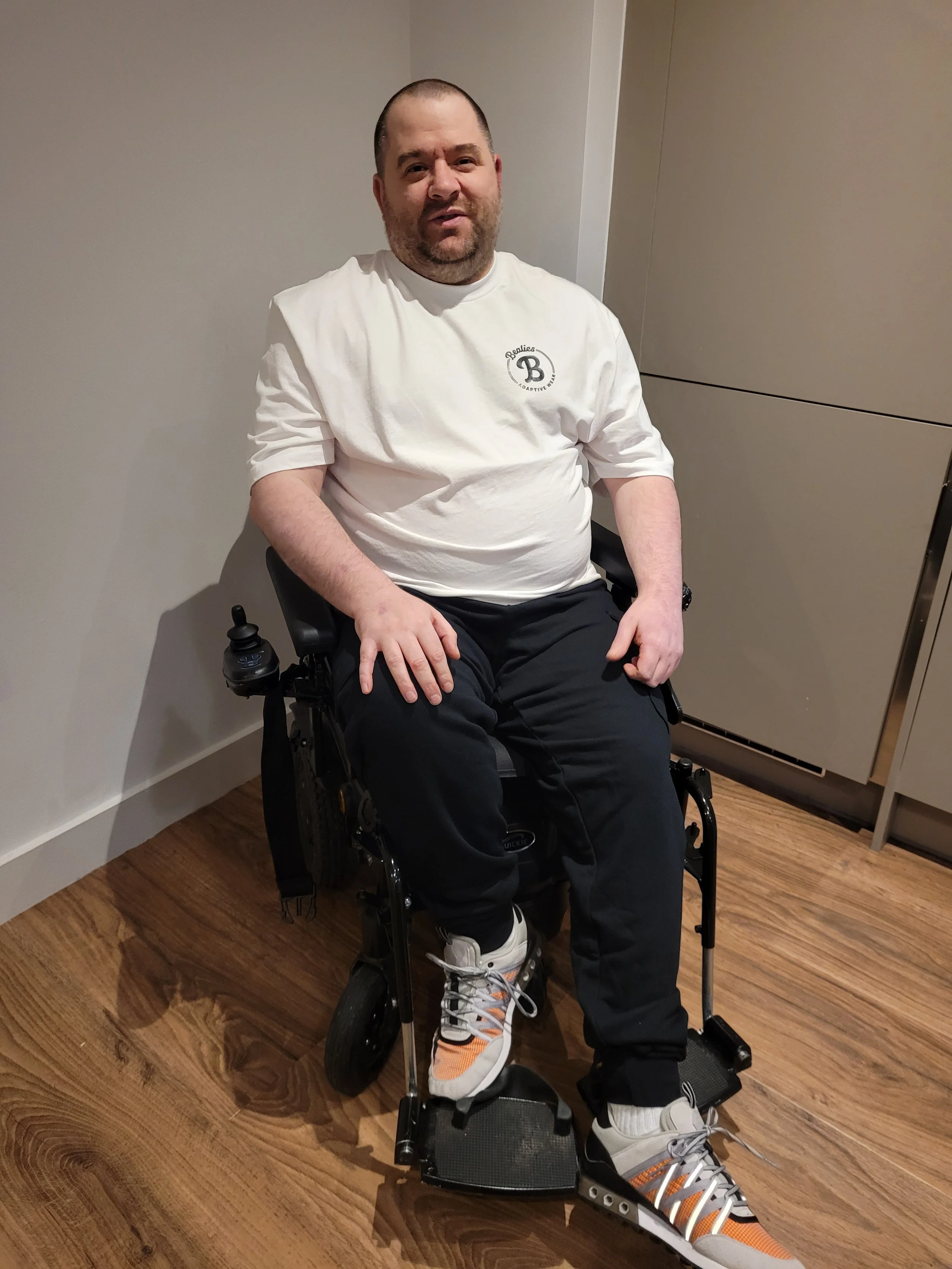
2. One Size Doesn’t Fit All
Standard patterns assume all bodies follow the same proportions — standing posture, standard hip-to-waist ratios, and uniform mobility. Disabled bodies, especially wheelchair users, have different needs:
Higher back rise for seated coverage
Front openings for easier dressing
Stretch and shaping in the right areas to prevent bunching
Inclusive clothing starts with designing for real bodies, not forcing disabled people into standard patterns.
3. Independence Matters
Many adaptive clothing features exist to give the wearer control over their own body. Designers often overlook this, but independence is central:
Magnetic fastenings replace tricky buttons and zips
Front openings allow easier access for personal care
Thoughtful sizing prevents reliance on others
When adaptive design prioritises independence, clothing becomes empowering rather than frustrating.

4. Comfort Is Key
Disabled people often spend long periods seated, lying down, or moving in assistive devices. Fabric choice, seam placement, and fit can make a huge difference:
Breathable, soft fabrics reduce irritation
Well-placed seams prevent pressure points
Adaptive underwear and basics provide comfort from the inside out
Comfort should never be sacrificed for style — inclusive design balances both.
5. Listen Before You Design
Nothing replaces real feedback from disabled people. Adaptive fashion should be co-created with the community, not assumed. Asking questions, testing prototypes, and listening to lived experience leads to clothing that works in real life.
At BAdaptive, we test every garment with real users, from everyday wear to active wheelchair sports. This ensures functionality, comfort, and confidence in every piece.
Why This Matters
Adaptive fashion is more than a market — it’s a movement for inclusion, dignity, and independence. Non-disabled designers can play a huge role by:
Prioritising function and comfort
Designing for seated bodies
Listening to real users
Creating clothing that supports autonomy
When done right, adaptive fashion isn’t just for disabled people, it benefits everyone by demonstrating thoughtful, inclusive design.
Shop Thoughtful Adaptive Clothing from BAdaptive
Looking for clothes that combine style, function, and real-world usability? Explore our adaptive joggers, shorts, underwear, and more — all designed with lived experience in mind.
